For a long time, I believed that love meant giving.
Giving time.
Giving understanding.
Giving grace.
Giving second chances.
Giving more of myself than I often had to spare.
I thought compassion meant being endlessly available. I thought empathy meant carrying the weight of other people’s emotions. I thought kindness required sacrifice.
But eventually, I learned that love without self-love becomes depletion.
When we do not value ourselves, our energy flows outward without direction. We become a source others draw from, sometimes endlessly, while forgetting that we too need nourishment.
The truth is that compassion and empathy can attract two very different kinds of people. Some are inspired by your kindness and meet it with care, respect, and reciprocity. Others simply enjoy receiving. They take comfort in your presence, your wisdom, your support, and your patience, yet offer little in return.
Without sufficient self-love and boundaries, some people can begin to treat your energy, time, attention, or emotional support as something they are entitled to rather than something you freely choose to give.
They cannot literally take who you are, but they may come to rely on you in ways that leave you depleted.
It can look like always being the one who listens but is rarely listened to. Giving endless chances while your own needs go unmet. Feeling responsible for other people’s happiness. Saying yes when you want to say no. Losing touch with your own desires because you are focused on everyone else’s.
Over time, you may find yourself exhausted, wondering why there is so little left for you.
Self-love changes this dynamic.
It does not make us less loving. It makes us more discerning.
When we love ourselves, people encounter confidence without arrogance, warmth without people pleasing, kindness without weakness, and openness without a lack of boundaries.
Healthy people feel safe around this energy. They respect it. They often rise to meet it.
Those who benefited from our lack of boundaries may react differently. They may test us. They may become frustrated when we say no. They may pull away when they realize they no longer have unlimited access to our energy.
This can feel lonely at first.
But what is leaving was never sustained by mutual care. What remains has the potential to be real.
With self-love, we remain connected to ourselves even as we love others. We begin asking different questions:
Do I actually have the capacity for this?
Is this relationship reciprocal?
Am I giving freely, or am I giving from guilt, fear, or obligation?
What do I need?
Spiritually, self-love feels like a homecoming. The energy that once flowed outward indiscriminately begins to circulate within. We become nourished by our own presence. We learn to sit with ourselves, trust ourselves, and choose ourselves.
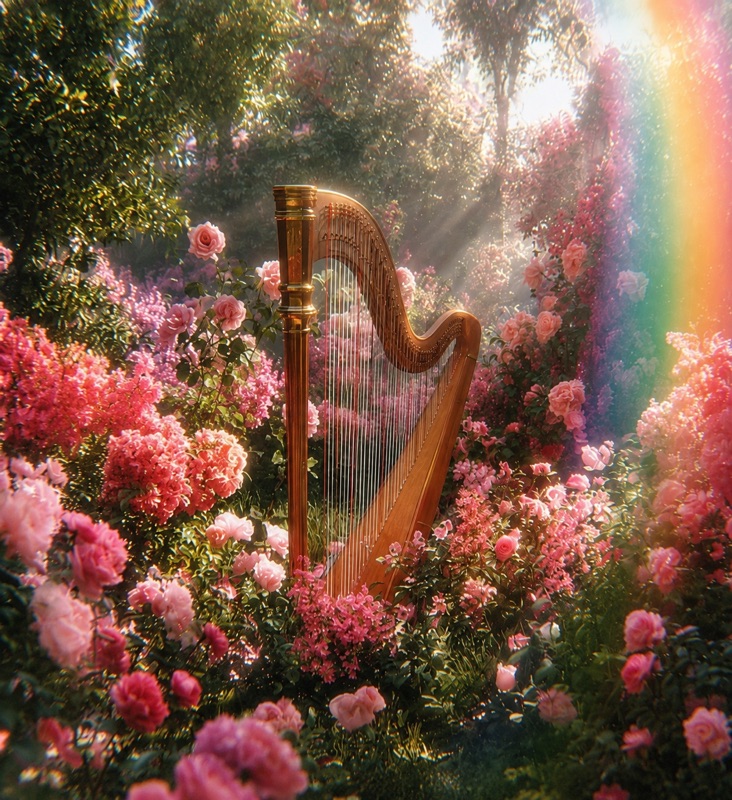
The garden metaphor is useful here.
Without self-love, anyone can walk into the garden, pick flowers, take fruit, and leave, while you continue working tirelessly to maintain it.
With self-love, the garden has a gate.
People are welcome, but they are not entitled.
Those who appreciate the garden are invited in. Those who only want to take may find the gate no longer opens so easily.
That does not make you less loving. It makes your love sustainable.
And paradoxically, many people respect and value you more when they realize that access to your energy is a gift, not a guarantee.
The shift is simple but profound:
I love you, but I do not abandon myself for you.
And perhaps that is the purest form of love there is. A love that includes others without excluding ourselves.
Comments
Post a Comment